Introduction
Embarking on a fitness journey can be both exciting and daunting, especially when your primary goal is rapid weight loss. As a beginner, it’s crucial to establish a balanced approach that not only helps you shed pounds quickly but also promotes sustainable habits for long-term health. This article provides comprehensive fitness tips tailored for beginners aiming for rapid weight loss success.
Understanding Weight Loss
Before diving into specific fitness tips, it’s important to understand the fundamentals of weight loss. Weight loss occurs when you burn more calories than you consume, creating a caloric deficit. This can be achieved through a combination of diet and exercise. Rapid weight loss, however, should be approached with caution to ensure it’s done in a healthy manner. While it’s tempting to aim for quick results, it’s essential to focus on losing weight at a sustainable pace to maintain muscle mass and avoid adverse health effects.
Setting Realistic Goals
Setting realistic and achievable goals is the cornerstone of any successful fitness journey. For beginners, it’s important to start small and gradually increase the intensity of your workouts. Initially, aim for a weight loss of 1-2 pounds per week, which is considered safe and sustainable by health professionals. Establish both short-term and long-term goals, and track your progress to stay motivated.
Create a Balanced Workout Plan
Cardiovascular Exercise
Cardiovascular exercises are great for burning calories and improving heart health. For beginners, activities such as brisk walking, jogging, cycling, or swimming are excellent choices. Aim for at least 150 minutes of moderate-intensity cardio per week. As your stamina increases, you can gradually increase the duration and intensity of your workouts.
Strength Training
Incorporating strength training into your routine is crucial for building lean muscle mass, which in turn boosts your metabolism and aids in weight loss. Start with bodyweight exercises such as squats, push-ups, and lunges. As you become more comfortable, incorporate resistance bands or light weights. Aim for two to three strength training sessions per week, focusing on different muscle groups.
Flexibility and Balance
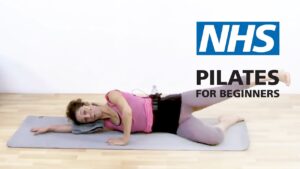
Flexibility and balance exercises are often overlooked but are essential for overall fitness. Incorporating activities like yoga or Pilates can improve your range of motion, reduce the risk of injury, and enhance your overall physical performance. Consider adding a flexibility session once a week to complement your cardio and strength training.
Prioritize Nutrition
Focus on Whole Foods
Nutritional choices are a critical component of weight loss. Focus on whole, nutrient-dense foods such as fruits, vegetables, lean proteins, whole grains, and healthy fats. These foods provide essential nutrients while keeping you satiated, reducing the likelihood of overeating.
Monitor Portion Sizes
Even healthy foods can contribute to weight gain if consumed in large quantities. Pay attention to portion sizes and try to eat mindfully, savoring each bite. Using smaller plates and bowls can help control portions and prevent overeating.
Stay Hydrated
Drinking adequate water is vital for optimal health and can aid in weight loss. Sometimes, our bodies confuse thirst with hunger, leading to unnecessary snacking. Aim to drink at least eight 8-ounce glasses of water a day, and more if you’re engaging in intense exercise or live in a hot climate.
Establish a Consistent Routine
Consistency is key in any fitness journey. Establishing a regular workout schedule helps build discipline and makes it easier to integrate exercise into your daily life. Choose a time of day that works best for you and stick to it. Whether it’s early morning workouts or evening sessions, consistency will help build momentum and improve results.
Track Your Progress
Monitoring your progress is crucial for staying motivated and making necessary adjustments to your fitness plan. Use a journal or fitness app to track your workouts, dietary habits, and weight loss progress. Seeing tangible results can provide a sense of achievement and encourage you to keep pushing towards your goals.
Stay Motivated and Overcome Plateaus
Find a Workout Buddy
Having a workout partner can provide accountability and make exercising more enjoyable. Find a friend or family member with similar fitness goals and support each other through your weight loss journeys.
Mix Up Your Routine
To prevent plateaus and maintain interest, it’s important to vary your workouts. Try new activities like dance classes, hiking, or martial arts to keep things exciting. Changing your routine also challenges different muscle groups, promoting overall fitness.
Reward Yourself
Celebrate your achievements, no matter how small. Set milestones and reward yourself when you reach them. Rewards don’t have to be food-related; consider treating yourself to a new workout outfit or a relaxing spa day.
Prioritize Rest and Recovery
Rest and recovery are as vital as exercise itself. Overtraining can lead to burnout and injury, hindering your progress. Ensure you get adequate sleep each night, aiming for 7-9 hours. Incorporate rest days into your workout routine to allow your muscles to recover and grow stronger.
Conclusion
Embarking on a fitness journey for rapid weight loss can be challenging, but with the right approach, it is entirely achievable. By setting realistic goals, creating a balanced workout plan, prioritizing nutrition, and maintaining consistency, beginners can experience significant weight loss success. Remember to track your progress, stay motivated, and allow time for rest and recovery. With dedication and perseverance, you can achieve your fitness goals and enjoy a healthier lifestyle.
#ChatGPT assisted in the creation of this article.