
Introduction
In the pursuit of optimal health, flexibility often takes a backseat to strength and cardiovascular conditioning. Yet, developing and maintaining flexibility is crucial not only for enhancing physical performance but also for reducing the risk of injuries and improving overall quality of life. Flexibility, defined as the ability of a joint or series of joints to move through an unrestricted, pain-free range of motion, is an essential component of a balanced exercise program. This article delves into the importance of flexibility and presents top mobility exercises designed to boost your flexibility and support optimal health.
The Importance of Flexibility
Flexibility impacts many aspects of physical health and performance. It enables greater freedom of movement and improved posture, reduces muscle soreness, and decreases the risk of injury. As we age, our muscles naturally lose elasticity, making it imperative to incorporate flexibility training into our routines to maintain joint health and functionality. Improved flexibility can also enhance physical performance by allowing more efficient movement patterns and better coordination.
Understanding Mobility vs. Flexibility
While often used interchangeably, flexibility and mobility are not the same. Flexibility refers to the ability of a muscle to lengthen, while mobility involves the ability of a joint to move actively through a range of motion. Effective mobility exercises incorporate both flexibility and strength to enhance joint function, stability, and overall movement efficiency.
Top Mobility Exercises to Boost Flexibility
1. Dynamic Stretching
Dynamic stretching involves active movements that take your joints and muscles through their full range of motion. Unlike static stretching, which involves holding a position for a period, dynamic stretching prepares your muscles for activity and increases blood flow and muscle temperature. Examples include leg swings, arm circles, and torso twists. Integrate dynamic stretching into your warm-up routine to enhance flexibility and reduce the risk of injury during exercise.
2. Hip Flexor Stretch
Tight hip flexors are a common issue, especially for those who spend long hours sitting. The hip flexor stretch helps to open up the hips, improve posture, and alleviate lower back pain. To perform this stretch, kneel on one knee with the opposite foot in front, forming a 90-degree angle. Push your hips forward, keeping your back straight, and hold the stretch for 20-30 seconds on each side.
3. Cat-Cow Stretch
The Cat-Cow stretch is a simple yet effective exercise that enhances flexibility in the spine and neck. It increases the circulation of spinal fluid and helps to relieve tension in the back muscles. Begin on all fours with your wrists directly under your shoulders and knees under your hips. Inhale as you arch your back (the ‘cow’ position), then exhale while rounding your back (the ‘cat’ position). Repeat this flow 10-15 times.
4. Shoulder Circles
Shoulder mobility is crucial for upper body flexibility. Shoulder circles help to increase the range of motion, reduce tension, and improve posture. Stand with your feet shoulder-width apart, extend your arms out to the sides, and make small circles with your arms, gradually increasing the size of the circles. Perform 10-15 circles in one direction, then reverse.
5. Hamstring Stretch
Tight hamstrings can impede mobility and lead to lower back pain. The hamstring stretch is essential for maintaining flexibility in the posterior chain. Sit with one leg extended and the other bent so that the sole of the foot is against the inner thigh of the extended leg. Reach forward towards the toes of the extended leg, keeping your back straight, and hold for 20-30 seconds before switching sides.
6. Ankle Circles
Ankle flexibility is often overlooked but is crucial for balance and movement efficiency. Ankle circles help to enhance range of motion and strengthen the muscles surrounding the ankle. Sit or stand with one leg lifted off the ground, and slowly rotate your foot in a circle. Perform 10-15 circles in one direction, then switch.
7. Thoracic Spine Rotation
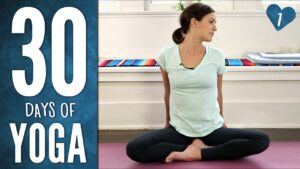
The thoracic spine, located in the upper and middle back, often becomes stiff due to poor posture or prolonged sitting. Thoracic spine rotation exercises help to improve mobility in this area, enhancing overall flexibility and reducing the risk of back pain. Sit on the floor with your legs extended and arms out to the side. Rotate your torso to one side, holding for a few seconds, then switch to the other side. Repeat 10-12 times.
8. Quadriceps Stretch
Flexible quadriceps are essential for knee health and lower body movement. The quadriceps stretch involves standing on one leg, bending the opposite knee, and bringing the heel towards the glutes. Hold the ankle with your hand to keep the knee in place and stretch the front of the thigh. Maintain the position for 20-30 seconds, then switch sides.
Integrating Mobility Exercises into Your Routine
To reap the full benefits of flexibility and mobility exercises, consistency is key. Incorporate these exercises into your daily routine, dedicating at least 10-15 minutes to mobility work. Consider performing them as part of your warm-up or cool-down regimen. Additionally, listen to your body and focus on areas that feel particularly tight or restricted.
Conclusion
Flexibility is a vital aspect of a well-rounded fitness program, contributing to improved physical performance, reduced injury risk, and enhanced quality of life. By integrating these top mobility exercises into your routine, you can boost your flexibility, support joint health, and enjoy the benefits of optimal movement. Remember that flexibility is not achieved overnight; it requires dedication and consistency. Embrace the journey towards better flexibility, and your body will thank you with improved health and vitality.
#ChatGPT assisted in the creation of this article.