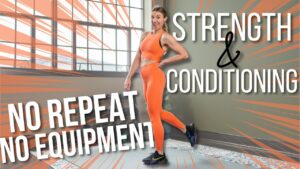

In the bustling world of fitness, efficiency and effectiveness are key. Whether you’re a beginner or a seasoned athlete, full body workouts offer a comprehensive approach to improving your physical health. This guide aims to provide you with the ultimate resource for maximizing results through well-structured full body workouts.
What are Full Body Workouts?
Full body workouts are designed to engage multiple muscle groups in a single session, which can lead to increased strength, endurance, and flexibility. Unlike split workouts that focus on specific areas, full body routines ensure a balanced approach, targeting all major muscle groups, including the chest, back, arms, legs, and core.
Benefits of Full Body Workouts
Efficient Time Management
One of the primary advantages of full body workouts is time efficiency. In today’s fast-paced world, dedicating hours at the gym might not be feasible for everyone. Full body workouts allow you to achieve a comprehensive exercise session in a shorter time frame, typically between 45 to 60 minutes.
Increased Muscle Recovery
By working out different muscle groups in a single session, you allow specific muscles to recover while others are engaged. This approach promotes balanced muscle development and reduces the risk of overtraining.
Enhanced Caloric Burn
Full body workouts are highly effective in burning calories. Engaging multiple muscle groups simultaneously increases heart rate and energy expenditure, making these workouts ideal for those looking to lose weight or maintain a healthy body composition.
Improved Cardiovascular Health
Incorporating full body exercises into your routine can enhance cardiovascular health. Many full body exercises, such as burpees and kettlebell swings, are dynamic and require significant cardio effort, improving heart and lung function.
Designing Your Full Body Workout Routine
Warm-Up
A proper warm-up is essential to prepare your body for intense physical activity. Spend 5-10 minutes performing light cardio exercises, such as jogging or jumping jacks, followed by dynamic stretches to increase blood flow and flexibility.
Exercise Selection
Choose exercises that target all major muscle groups. A balanced routine might include the following:
- Squats (legs and glutes)
- Push-ups (chest, shoulders, and triceps)
- Bent-over rows (back and biceps)
- Planks (core)
- Burpees (full body)
- Deadlifts (hamstrings, glutes, and lower back)
Repetitions and Sets
The number of repetitions and sets will depend on your fitness level and goals. For building strength, aim for 3-5 sets of 5-8 reps. For endurance and toning, 3 sets of 12-15 reps are more suitable. Always focus on maintaining proper form to prevent injury.
Rest Intervals
Rest is an integral part of your workout. Allow yourself 30-60 seconds of rest between sets to recover. This will help maintain intensity and effectiveness throughout your session.
Sample Full Body Workout Plan
Day 1: Strength Focus
- Warm-up: 5-minute jog and dynamic stretches
- Squats: 4 sets of 6 reps
- Push-ups: 3 sets of 8 reps
- Bent-over rows: 3 sets of 6 reps
- Planks: 3 sets of 45 seconds
- Cool down: Static stretches focusing on major muscle groups
Day 2: Endurance and Cardio
- Warm-up: Jump rope for 5 minutes
- Burpees: 3 sets of 12 reps
- Deadlifts: 3 sets of 10 reps
- Mountain climbers: 3 sets of 30 seconds
- Push-ups: 3 sets of 12 reps
- Cool down: Light jogging and stretching
Nutrition and Recovery
Fueling Your Workouts
Nutrition plays a pivotal role in maximizing the results of your full body workouts. Ensure you consume a balanced diet rich in proteins, complex carbohydrates, and healthy fats. Pre-workout meals should include easily digestible carbs and a moderate amount of protein to fuel your energy needs.
Hydration
Staying hydrated is crucial, especially during high-intensity workouts. Water is essential for optimal muscle function and recovery. Consider drinking at least 16-20 ounces of water before exercising and sipping water throughout your session.
Rest and Recovery
Rest is as important as the workout itself. Adequate sleep, coupled with proper nutrition, aids in muscle recovery and growth. Aim for 7-9 hours of quality sleep per night and consider active recovery days involving light activities such as walking or yoga.
Common Mistakes to Avoid
Skipping Warm-ups and Cool Downs
Neglecting warm-ups and cool downs can lead to injuries and reduced performance. Always allocate time for both to ensure your muscles are prepared and to aid recovery.
Ignoring Form
Proper form is critical in preventing injuries and maximizing effectiveness. Focus on technique over quantity to build a solid fitness foundation.
Overtraining
While consistency is crucial, overtraining can lead to burnout and injuries. Listen to your body and incorporate rest days to allow muscles to repair and grow.
Conclusion
Full body workouts offer a holistic approach to fitness, suitable for individuals at any level. By understanding the benefits and incorporating the right exercises, you can achieve impressive results in strength, endurance, and overall health. Remember to combine your workout efforts with proper nutrition and rest for the ultimate full body training experience. With dedication and consistency, full body workouts can be a game-changer in your fitness journey.
#ChatGPT assisted in the creation of this article.