
In the quest for optimal fitness, choosing the right workout plan is crucial. Whether you’re a seasoned athlete or a fitness novice, the key to achieving your goals lies in selecting a plan that aligns with your objectives, lifestyle, and personal preferences. This article delves into the top workout plans available, offering insights into how you can optimize your fitness journey.
Understanding Your Fitness Goals
Before diving into specific workout plans, it’s important to clearly define your fitness goals. Are you aiming to lose weight, build muscle, improve cardiovascular health, or enhance overall well-being? Determining your primary objective will guide you in selecting the most suitable workout plan. Remember, fitness is not a one-size-fits-all approach; customization is key to success.
The Importance of a Balanced Approach
While it’s tempting to focus solely on one aspect of fitness, such as strength training or cardio, a balanced approach is essential for optimal results. A well-rounded fitness plan should include a mix of cardiovascular exercises, strength training, flexibility exercises, and recovery practices. This holistic approach ensures all aspects of your fitness are addressed, reducing the risk of injury and promoting long-term health.
Top Workout Plans to Consider
The Bodyweight Training Plan
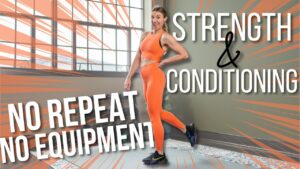
Bodyweight training is a versatile and accessible workout plan that requires no equipment, making it perfect for those who prefer to exercise at home or on-the-go. This plan focuses on using your own body weight to build strength and endurance. Exercises such as push-ups, squats, lunges, and planks are staples of this regimen.
Benefits: Bodyweight training enhances muscular endurance, improves functional strength, and can be modified to suit all fitness levels. It’s also an excellent option for those with limited access to gym facilities.
The HIIT (High-Intensity Interval Training) Plan
HIIT workouts are characterized by short bursts of intense exercise followed by brief periods of rest or low-intensity activity. This plan is designed to maximize calorie burn and improve cardiovascular fitness in a short amount of time.
Benefits: HIIT is time-efficient, highly effective for fat loss, and increases metabolic rate. It also improves cardiovascular health and boosts endurance.
The Strength Training Plan
Strength training involves using resistance to induce muscular contraction, which builds the strength, anaerobic endurance, and size of skeletal muscles. This plan typically incorporates free weights, resistance bands, or weight machines.
Benefits: Strength training increases muscle mass, boosts metabolism, enhances bone density, and improves overall strength and power. It’s particularly beneficial for those looking to sculpt their physique.
The Yoga and Flexibility Plan
Yoga focuses on improving flexibility, balance, and mental well-being through a series of poses and breathing exercises. This plan is ideal for individuals seeking a low-impact workout that enhances both physical and mental health.
Benefits: Yoga promotes flexibility, reduces stress, improves posture, and enhances mental clarity. It’s also a great complementary practice to more intense workout plans.
The Endurance Training Plan
Endurance training, often associated with aerobic exercise, focuses on increasing cardiovascular endurance through activities like running, cycling, and swimming. This plan is ideal for those looking to improve heart health and stamina.
Benefits: Endurance training strengthens the heart, improves lung capacity, and aids in weight management. It also enhances overall energy levels and endurance.
Tailoring Your Workout Plan
Once you’ve selected a workout plan that aligns with your goals, it’s important to tailor it to your individual needs. Consider factors such as your current fitness level, available time, and personal preferences. Start slowly and gradually increase intensity and duration as your fitness improves. Remember, consistency is key to achieving long-term success.
Incorporating Recovery and Nutrition
No workout plan is complete without proper recovery and nutrition. Ensure you’re allowing adequate time for rest and recovery, as this is when your muscles repair and grow stronger. Incorporate rest days into your routine and listen to your body to prevent overtraining.
Nutrition plays a vital role in optimizing fitness. Fuel your body with a balanced diet rich in lean proteins, whole grains, healthy fats, and plenty of fruits and vegetables. Stay hydrated and consider consulting a nutritionist for personalized dietary advice.
Tracking Progress and Staying Motivated
Tracking your progress is essential for staying motivated and ensuring you’re on the right path to achieving your fitness goals. Keep a workout journal, use fitness apps, or invest in a fitness tracker to monitor your progress. Celebrate milestones and small victories to maintain motivation.
Additionally, consider finding a workout buddy or joining a fitness community for support and accountability. Surrounding yourself with like-minded individuals can provide encouragement and make your fitness journey more enjoyable.
Conclusion
Optimizing your fitness requires a thoughtful approach to selecting the right workout plan, tailoring it to your needs, and incorporating essential elements like recovery and nutrition. By understanding your goals and committing to a balanced, consistent routine, you can unlock your full fitness potential. Remember, the journey to optimal fitness is a marathon, not a sprint. Embrace the process, stay committed, and enjoy the transformative benefits of a well-structured workout plan.
#ChatGPT assisted in the creation of this article.