
Introduction: Embarking on Your Fitness Journey
The pursuit of fitness is a rewarding journey that transcends physical health and extends into mental and emotional well-being. Whether you’re stepping into a gym for the first time or you’re a seasoned athlete looking to optimize your regimen, understanding the fundamentals of gym workouts can significantly enhance your progress. This ultimate gym guide is designed to equip you with the knowledge and strategies necessary to elevate your fitness journey.
Setting Clear Goals
Before you start lifting weights or hitting the treadmill, it’s crucial to establish clear, achievable goals. These objectives will serve as the roadmap for your fitness journey, providing motivation and direction.
Define Your Purpose
Are you aiming to lose weight, build muscle, increase endurance, or improve overall health? Your purpose will dictate your workout plan and nutritional choices. Take time to introspect and determine what you want to achieve.
Set SMART Goals
SMART goals are Specific, Measurable, Achievable, Relevant, and Time-bound. Instead of setting a vague objective like “get fit,” aim for something more concrete, such as “lose 10 pounds in three months by working out three times a week and following a balanced diet.”
Understanding Gym Equipment
The gym is equipped with a variety of machines and tools designed to target different muscle groups and fitness components. Familiarizing yourself with this equipment can enhance the effectiveness of your workouts.
Cardiovascular Machines
Cardio machines like treadmills, ellipticals, stationary bikes, and rowing machines are excellent for improving cardiovascular health and burning calories. They vary in intensity and can be adjusted to suit your fitness level.
Strength Training Equipment
Strength training is essential for building muscle and bone density. Key equipment includes free weights (dumbbells and barbells), resistance machines, and functional training tools like kettlebells and medicine balls.
Functional Training Areas
Many gyms offer functional training zones equipped with tools like TRX suspension trainers, battle ropes, and plyometric boxes. These areas are great for full-body workouts and improving functional strength.
Crafting a Balanced Workout Routine
A well-rounded fitness routine should incorporate elements of cardiovascular training, strength training, and flexibility exercises. Balancing these components ensures comprehensive fitness development.
Cardiovascular Training
Aim for at least 150 minutes of moderate-intensity or 75 minutes of high-intensity cardio per week. Activities like running, cycling, and swimming are excellent choices. Mixing different types of cardio can prevent boredom and improve overall endurance.
Strength Training
Engage in strength training exercises at least two to three times a week, targeting all major muscle groups. Compound exercises such as squats, deadlifts, bench presses, and pull-ups should form the foundation of your routine.
Flexibility and Mobility
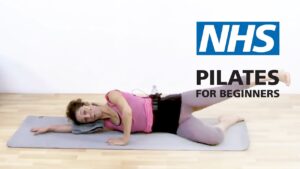
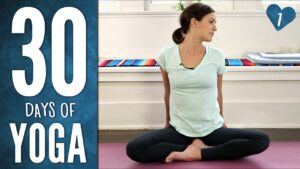
Incorporate stretching and mobility exercises into your routine to enhance flexibility, reduce the risk of injury, and improve posture. Activities like yoga and Pilates can be particularly beneficial.
Nutrition: Fueling Your Fitness
Nutrition plays an integral role in fitness success. The right diet fuels your workouts, aids recovery, and supports muscle growth and fat loss.
Macronutrients
Understanding macronutrients—proteins, carbohydrates, and fats—is essential. Proteins support muscle repair and growth, carbohydrates provide energy, and fats are crucial for hormone production and nutrient absorption.
Pre and Post-Workout Nutrition
Consuming the right nutrients before and after workouts can optimize performance and recovery. A balanced pre-workout meal should include carbohydrates and protein, while post-workout nutrition should focus on replenishing glycogen stores and repair, ideally with a protein-rich meal or shake.
Staying Motivated and Consistent
Consistency is the key to long-term fitness success. Maintaining motivation can be challenging, but several strategies can help keep you on track.
Track Your Progress
Keeping a workout journal or using fitness apps to track your progress can provide accountability and highlight improvements over time. Celebrate small victories to stay motivated.
Find a Workout Buddy
Partnering with a friend or joining group fitness classes can add a social element to your workouts and provide mutual encouragement. A workout buddy can also push you to achieve more.
Overcoming Plateaus
Progress in fitness isn’t always linear. Plateaus are common, but they can be overcome with strategic adjustments to your routine.
Change Your Routine
Introducing variety into your workouts can help break through plateaus. This might involve changing exercises, increasing intensity, or altering the number of sets and reps.
Rest and Recovery
Sometimes, a lack of progress is due to insufficient recovery. Ensure you’re getting enough rest, both in terms of sleep and rest days from intense workouts, to allow your body to repair and grow stronger.
Conclusion: Embrace the Fitness Lifestyle
Embarking on a fitness journey is a transformative experience that extends beyond physical changes. The discipline, resilience, and confidence you cultivate will permeate all areas of your life. By setting clear goals, understanding gym equipment, crafting a balanced workout routine, focusing on nutrition, and staying motivated, you’re well-equipped to succeed. Remember, fitness is a lifelong journey, not a destination. Embrace the process, celebrate your progress, and enjoy the myriad benefits of a healthy lifestyle.
#ChatGPT assisted in the creation of this article.