Introduction to Flexibility
Flexibility is an often overlooked yet crucial component of overall fitness. It enhances physical performance, minimizes the risk of injury, and improves the quality of life by making everyday movements easier and more efficient. While many focus on strength and cardiovascular training, incorporating regular stretching into your fitness routine can unlock significant benefits.
The Importance of Flexibility
Flexibility allows your muscles and joints to move through their full range of motion. This capability is vital not just for athletes but for anyone looking to maintain mobility and independence as they age. Enhanced flexibility contributes to better posture, reduced muscle soreness, and decreased risk of injuries.
Benefits of Stretching
- Improved Performance: Flexible muscles can enhance your performance in physical activities by allowing you to move more freely and efficiently.
- Injury Prevention: Stretching helps maintain joint integrity and balance, reducing the risk of strains and sprains.
- Pain Relief: Regular stretching can alleviate discomfort from muscle tension and improve circulation, easing chronic pain conditions.
- Enhanced Relaxation: Stretching can be a form of active relaxation, helping to reduce stress levels and promote mental well-being.
Types of Stretching
Understanding the different types of stretching can help you incorporate the right techniques into your fitness regimen. Each has its specific benefits and is suited to different situations.
Static Stretching
Static stretching involves holding a stretch for a prolonged period, typically between 15 to 60 seconds. It’s ideal for improving overall flexibility and is best performed post-workout when muscles are warm and pliable.
Dynamic Stretching
Dynamic stretching involves active movements that stretch the muscles to their full range of motion. These stretches are generally performed as part of a warm-up routine to prepare the body for physical activity.
PNF Stretching
Proprioceptive Neuromuscular Facilitation (PNF) is an advanced form of flexibility training that involves both stretching and contracting the targeted muscle group. This method is often used in therapeutic settings and can significantly enhance flexibility.
Ballistic Stretching
Ballistic stretching involves rapid bouncing movements to push muscles beyond their typical range of motion. This type of stretching is not generally recommended for beginners as it can lead to injury if not performed correctly.
Expert Stretching Tips
Incorporating effective stretching techniques into your routine can unlock your flexibility potential. Here are expert tips to help you stretch safely and effectively.
Warm Up Before Stretching
Before engaging in any stretching routine, ensure your body is adequately warmed up. A brief session of light cardio, such as jogging or jumping jacks, increases blood flow to your muscles, making them more pliable and less prone to injury.
Focus on Major Muscle Groups
While stretching, pay attention to all major muscle groups, including your calves, thighs, hips, lower back, neck, and shoulders. A well-rounded routine ensures balanced flexibility and prevents muscular imbalances.
Hold Your Stretch
For static stretches, hold each position for at least 15 to 30 seconds. Avoid bouncing or abrupt movements, as they can lead to muscle strain. Gradually increase the duration as your flexibility improves.
Breathe Deeply
Incorporate deep breathing into your stretching routine. Focus on inhaling deeply through your nose and exhaling through your mouth. This practice not only aids in relaxation but also enhances the effectiveness of your stretches.
Listen to Your Body
Stretching should never be painful. A mild tension or slight discomfort is normal, but if you experience sharp pain, stop immediately. Overstretching can cause injuries, so always listen to your body’s signals.
Consistency is Key
To see significant improvements in flexibility, consistency is crucial. Aim to stretch at least three to four times a week. Regular practice is more beneficial than sporadic, intense sessions.
Creating a Stretching Routine
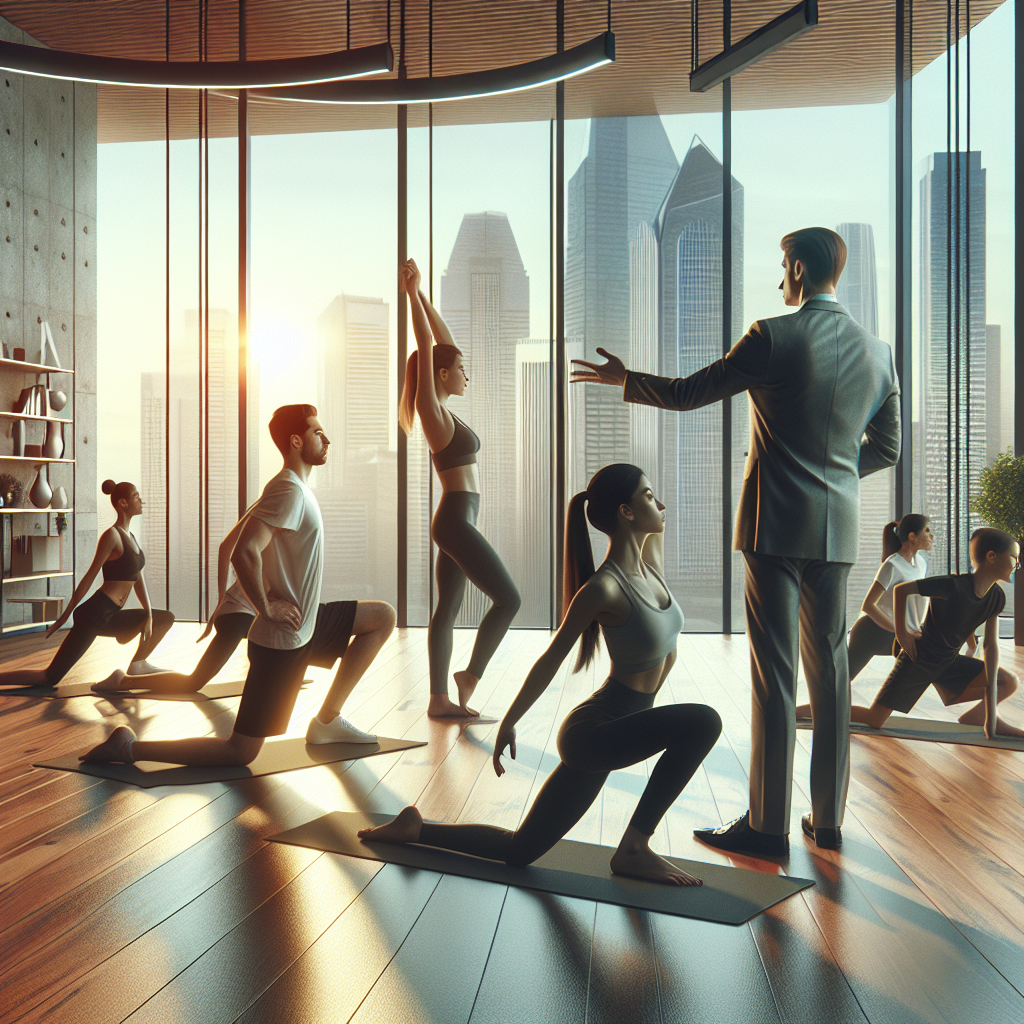
Designing a personalized stretching routine can help you stay committed to your flexibility goals. Here’s a sample routine to get you started:
Warm-Up (5-10 minutes)
- Light jogging or brisk walking
- Jumping jacks
- Arm circles
Dynamic Stretching (5 minutes)
- Leg swings (front to back and side to side)
- Walking lunges
- Torso twists
Static Stretching (10-15 minutes)
- Hamstring Stretch: Sit on the floor with one leg extended. Reach towards your toes, holding for 30 seconds on each side.
- Quadriceps Stretch: Stand on one leg, pulling the opposite foot towards your glutes. Hold for 30 seconds and switch sides.
- Chest Stretch: Interlock your fingers behind your back and gently lift your arms. Hold for 30 seconds.
- Shoulder Stretch: Bring one arm across your chest and use the opposite arm to press it closer. Hold for 30 seconds on each side.
- Neck Stretch: Gently tilt your head towards one shoulder, holding for 15 seconds. Repeat on the other side.
Common Stretching Mistakes to Avoid
Even with the best intentions, stretching can lead to injury if not done correctly. Here are common mistakes to watch out for:
Skipping the Warm-Up
Stretching cold muscles can lead to strains. Always warm up before stretching to prepare your body for the movements.
Holding Your Breath
Breathing deeply during stretches helps relax your muscles and enhances the stretch. Avoid holding your breath, as it can create tension.
Bouncing During Stretches
Bouncing can cause micro-tears in the muscles, leading to injuries. Instead, move into stretches slowly and hold them steadily.
Ignoring Muscle Imbalances
Pay attention to both sides of your body. Stretching one side more than the other can lead to imbalances and posture issues.
Conclusion: Embrace the Journey to Flexibility
Unlocking flexibility through stretching is a journey that requires patience and dedication. By incorporating the right techniques and maintaining consistency, you can significantly enhance your overall fitness and well-being. Remember, flexibility is not just about achieving the perfect pose; it’s about feeling good in your body and moving with ease.
Start integrating these expert stretching tips into your routine today, and experience the transformative power of flexibility in your fitness journey.
#ChatGPT assisted in the creation of this article.